
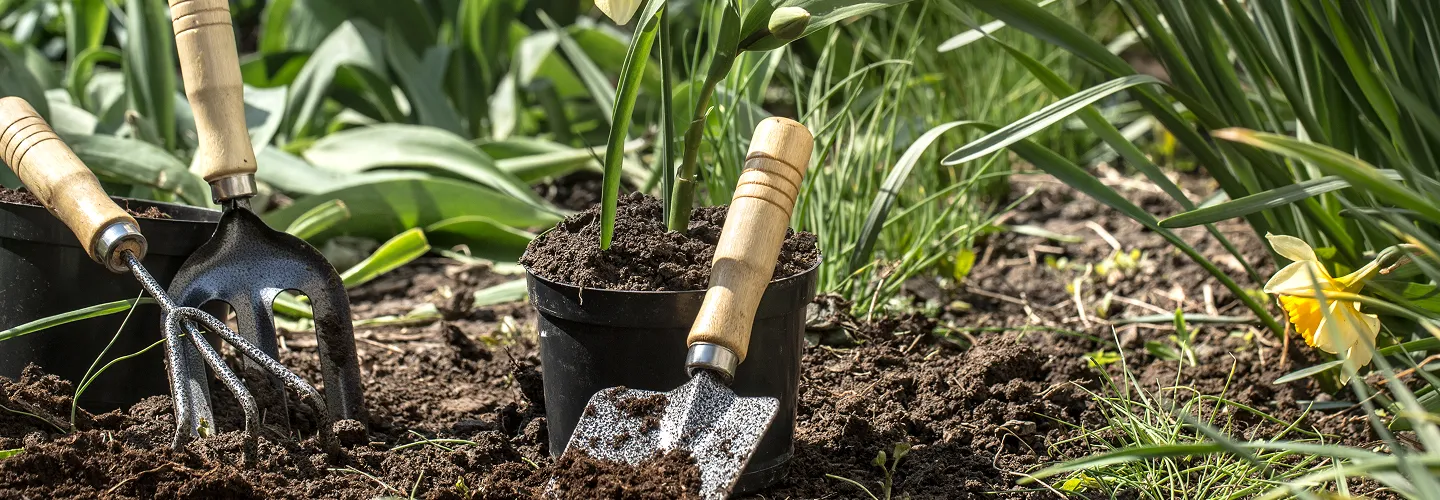
Red Mountain Ranch Flower Bed Maintenance Services
Choose our Flower Bed Maintenance for expert care that keeps your garden healthy, colorful, and thriving all season long—so you can enjoy stunning curb appeal without the hassle.
Get a Free QuoteOur Red Mountain Ranch Landscaping & Yard Care Services
When to Schedule Flower Bed Maintenance in Red Mountain Ranch, Arizona – Seasonal Guide
In Red Mountain Ranch, Arizona, the timing of flower bed maintenance is crucial for ensuring vibrant, healthy landscapes throughout the year. The area’s unique climate—characterized by hot, dry summers and mild winters—means that optimal maintenance windows differ from other regions. Typically, the best times for comprehensive flower bed care are early spring (late February to March) and late fall (October to early November), when temperatures are moderate and plants are either emerging from dormancy or preparing for it.
Local environmental factors play a significant role in determining the right schedule. For example, neighborhoods near the Red Mountain Ranch Country Club or along the Salt River often experience microclimates influenced by elevation and proximity to water. Homeowners should also consider the region’s average last frost date in early March and the increased drought risk during late summer. Soil in this area tends to be sandy and alkaline, requiring tailored fertilization and mulching strategies. For more information on local climate patterns and gardening resources, visit the Sudbury municipal site.
Local Factors to Consider for Flower Bed Maintenance in Red Mountain Ranch
- Tree density and shade coverage, especially in areas bordering Usery Mountain Regional Park
- Terrain variations, such as sloped lots or rocky soil near the foothills
- Seasonal precipitation patterns and monsoon timing
- Municipal water restrictions and irrigation guidelines
- Proximity to natural desert landscapes, which can influence pest and weed pressure
Benefits of Flower Bed Maintenance in Red Mountain Ranch
Enhanced Curb Appeal
Weed and Pest Prevention
Healthier Plant Growth
Seasonal Color Management
Professional Landscape Expertise
Increased Property Value
Red Mountain Ranch Flower Bed Maintenance Types

Seasonal Flower Planting
-
Weed Control Services
-
Mulching and Soil Conditioning
-
Pruning and Deadheading
-
Fertilization Programs
-
Pest and Disease Management
-
Irrigation System Checks
Our Flower Bed Maintenance Process
Site Evaluation
Weed Removal
Soil Preparation
Plant Care
Mulching
Why Choose Red Mountain Ranch Landscape Services
-
Red Mountain Ranch Homeowners Trust Us
-
Expert Lawn Maintenance
-
Reliable Irrigation Solutions
-
Comprehensive Weed Control
-
Professional Team
-
Competitive Pricing
-
Personalized Service
Coordinating Flower Bed Maintenance With Mesa's Municipal Programs in Red Mountain Ranch
Red Mountain Ranch is a master-planned community within the City of Mesa, and residents maintaining flower beds should be aware of municipal programs that affect landscape upkeep. Mesa's environmental and parks departments provide guidance on sustainable planting, green waste handling, and water-efficient landscape practices that directly apply to flower bed care. Property owners generating organic debris from seasonal bed cleanouts—spent annuals, pruned perennials, and accumulated mulch—should verify current green waste collection or drop-off procedures through the city rather than disposing of material into washes or storm-drain inlets.
- Coordinate seasonal bed cleanouts with Mesa's bulk or green waste collection schedules to avoid accumulation of organic debris on curbs or in drainage paths.
- Review Mesa's environmental sustainability resources for guidance on water-efficient planting and landscape conservation programs.
- Consult the parks department for public landscape standards that may inform HOA or community expectations within Red Mountain Ranch.
Mesa Parks, Recreation & Community Facilities
Official Website: Mesa Parks, Recreation & Community Facilities
Mesa Environmental Programs
Official Website: Mesa Environmental Programs
How Red Mountain Ranch's Low-Desert Heat and Alkaline Soils Affect Flower Beds
Red Mountain Ranch sits in the Phoenix metro low desert, classified within USDA Hardiness Zone 9b to 10a, where summer temperatures routinely exceed 110°F and soil conditions present distinct challenges for flower bed maintenance. The predominant soils in this area tend toward alkaline sandy loam with caliche layers at varying depths, which restricts root penetration and limits natural drainage. Reflected heat from block walls, concrete driveways, and decomposed granite surfaces intensifies thermal stress on bedding plants, particularly those positioned along south- and west-facing exposures.
- Soil alkalinity raises pH above 7.5 in most beds, limiting iron and micronutrient availability and causing chlorosis in sensitive flowering species.
- Caliche hardpan may sit within 12–24 inches of the surface, requiring amended planting pockets or raised bed construction to ensure adequate root depth and drainage.
- Monsoon runoff from July through September can wash out mulch, displace emitters, and erode unprotected bed edges, especially on sloped lots near retention basins.
- Irrigation dependence is year-round; even winter-planted annuals require consistent drip emitter coverage due to extremely low natural precipitation.
The Arizona Department of Water Resources provides landscaping guidance that supports efficient irrigation design suited to these conditions.
Navigating Mesa's Regulatory Framework for Flower Bed Maintenance in Red Mountain Ranch
Flower bed maintenance in Red Mountain Ranch must account for several layers of regulatory compliance. Mesa's development codes address landscape maintenance standards for residential and commercial properties, including requirements related to weed abatement, property appearance, and drainage protection. Property owners should verify current code expectations through Mesa's Development Services Department, particularly when bed renovations involve changes to grade, drainage flow, or frontage appearance.
- Any chemical weed control or pest treatment applied to flower beds must be performed by individuals holding valid credentials under the Arizona Department of Agriculture's pesticide licensing program, or by licensed commercial applicators.
- Fertilizer and soil amendment runoff must not enter storm drains, curb inlets, or washes, consistent with Arizona DEQ stormwater requirements and federal Clean Water Act provisions.
- Noxious weed species identified by the Arizona Department of Agriculture should be removed promptly from flower beds to prevent spread into adjacent properties or common areas.
Mesa Development Services Department
Official Website: Mesa Development Services Department
Timing Flower Bed Maintenance Around Red Mountain Ranch's Monsoon and Frost Cycles
Professional flower bed maintenance in Red Mountain Ranch follows a seasonal rhythm dictated by the low desert's extreme heat, monsoon storms, and brief frost windows. Scheduling bed work around these cycles protects plant health, preserves mulch and soil amendments, and reduces the risk of irrigation waste or storm-related damage.
- October through February: Primary planting window for cool-season annuals such as petunias, snapdragons, and pansies. Deadheading and weed suppression should occur on a regular cycle during this period to maintain bed appearance and prevent weed seed set before spring warmth.
- March through May: Transition period requiring removal of spent cool-season plantings, emitter inspection, and mulch replenishment before summer heat intensifies. Pre-emergent weed barriers are most effective when applied before soil temperatures consistently exceed 70°F.
- June through September: Heat-tolerant species such as vinca, lantana, and desert marigold dominate summer beds. Mulch depth should be maintained at approximately 2–3 inches of organic or inorganic material to moderate soil temperature and reduce evaporation. Monsoon storms require post-storm inspections to reset displaced mulch, clear debris from emitters, and verify that bed edges have not eroded into walkways or drainage paths.
- Irrigation audits should be conducted at least twice annually—before summer and after monsoon season—to confirm emitter flow rates, check for clogged or broken lines, and adjust run times to match seasonal plant water demand.
Mesa Water & Wastewater Utilities
Official Website: Mesa Water & Wastewater Utilities
What Neighborhoods Do We Serve Throughout Red Mountain Ranch, AZ?
- Red Mountain Ranch Country Club area — Mature landscaping around the golf course corridor creates shaded bed environments that require adjusted irrigation schedules and species selection tolerant of filtered light.
- Ridgeview at Red Mountain Ranch — South-facing lot orientations and block-wall perimeters intensify reflected heat on flower beds, demanding heat-tolerant plantings and consistent mulch coverage.
- Mountain Bridge — Proximity to natural desert washes and sloped terrain increases monsoon runoff exposure, requiring stabilized bed edges and emitter protection during storm season.
- Estates at Red Mountain Ranch — Larger lot sizes support more extensive flower bed installations, often with multiple hydrozones that require independent emitter circuits and seasonal replanting rotations.
- Red Mountain Ranch Phase I and Phase II — Established subdivisions with mature trees that create variable shade patterns across beds, influencing species selection and irrigation uniformity requirements.
- Entrada at Red Mountain Ranch — Compact lot configurations and HOA-maintained common areas create shared drainage patterns that affect individual bed maintenance and runoff management.